This worksheet helps navigate the Constituent Assembly Debates on the question of national or official language for India.
Curriculum: BCI (law courses in India); VTU (engineering courses in Karnataka)
Subject(s): Constitutional Law (BCI); Constitution of India, Professional Ethics and Human Rights (VTU)
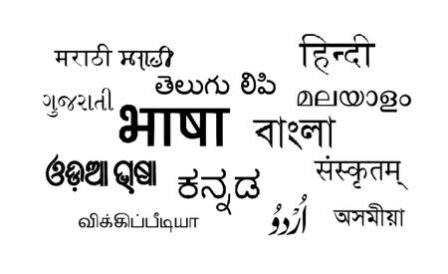
India has two official languages: English and Hindi. The individual states of India also have the right to specify their own official language, which are known as scheduled languages1. All parliamentary debates and discussions can take place either in English or Hindi, although members can speak in their regional languages with the consent of the Speaker of the House. However, the proceedings of the Supreme Court and all bills, acts, and other legislations must be in English. A similar requirement extends to High Court proceedings and legislations in states.
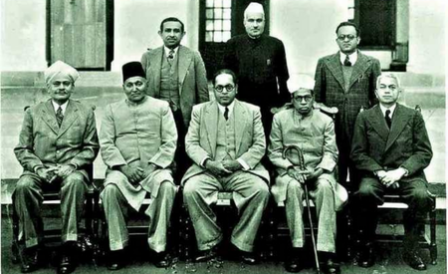
There were heated debates in the Constituent Assembly surrounding the official language of the nation. The Constitution Framers were divided on this issue: some were in favour of Hindi, others in favour of English, while a few members suggested the adoption of other regional languages as the national language of India.
What is the difference between national language and official language? Why did the framers want to choose one language over the other, and how did they reach a compromise? This worksheet helps find answers to these questions through an in-depth understanding of the language debates in the Assembly. Anchor this exercise around the use of the diverse constitutional resources available on our website.
- At present, there are 22 scheduled languages [↩]